Muscle and Menopause
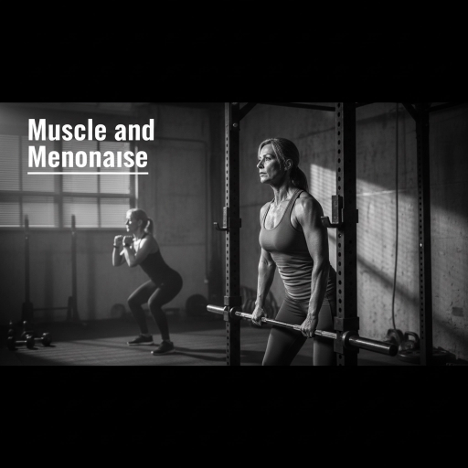
Let's talk about something that affects nearly every woman but doesn't get nearly enough attention in fitness circles: how menopause impacts muscle health. If you're entering perimenopause or beyond, you might have noticed that maintaining muscle mass feels harder than it used to, and you're absolutely right. The hormonal shifts during menopause create a perfect storm for muscle loss, but here's the good news: understanding what's happening and taking action can make all the difference!
At WorkTime, we've seen firsthand how the right approach to training, nutrition, and yes, hormone optimization, can help women not just maintain but actually build strength during this transition. Let's dive into the science and practical strategies that can keep you strong, capable, and confident through menopause and beyond.
The Science Behind Muscle Loss During Menopause
Here's what's actually happening in your body during menopause, and why muscle health becomes such a critical focus. Estrogen isn't just about reproductive health; it's a major player in muscle function, acting as a regulator for muscle development, fiber composition, and the stem cells needed for muscle repair and growth 1.
When estrogen levels drop during menopause, the effects are measurable and significant. Research shows that just 24 weeks of estrogen deficiency can result in a 10% decrease in muscle strength and an 18% decrease in muscle fiber volume 1. Even more concerning, women lose approximately 0.6% of muscle mass per year after menopause, with some experiencing 10-20% loss of lean body mass during the entire perimenopausal transition 2,3.

Dr. Gabrielle Lyon, a leading expert in muscle-centric medicine, emphasizes that this isn't just about aesthetics; it's about metabolic health and longevity. The loss specifically targets Type II muscle fibers, which are crucial for power, strength, and metabolic function 4. This explains why many women notice not just weakness, but changes in their ability to generate quick, powerful movements.
Why Muscle Mass Matters More Than Ever
The importance of muscle mass goes far beyond looking strong; it's your foundation for healthy aging. Dr. Vonda Wright, an orthopedic surgeon specializing in active aging, describes muscle as your "metabolic currency" for later life 5. Here's why maintaining muscle during menopause is absolutely critical:
Metabolic Protection: Muscle tissue is metabolically active, burning calories even at rest. As muscle mass decreases, your metabolic rate follows, making weight management increasingly difficult.
Bone Health: The muscle loss during menopause coincides with rapid bone loss, up to 10% in the first five years post-menopause. Strong muscles provide the mechanical stress bones need to stay dense and fracture-resistant 6.
Functional Independence: The weakness and muscle loss associated with menopause directly impacts daily activities, balance, and fall risk. Maintaining muscle strength now protects your independence decades down the road.
Blood Sugar Regulation: Dr. Lyon's research consistently shows that muscle tissue is the primary site for glucose disposal. More muscle means better insulin sensitivity and blood sugar control 7.
The Role of Hormone Replacement Therapy
Let's address something that should be part of every conversation about menopause and muscle health: hormone replacement therapy (HRT). The research is clear, properly administered HRT can be a game-changer for maintaining muscle mass and overall health during menopause.
Dr. Mary Claire Haver, a leading menopause specialist, advocates for a comprehensive approach that includes bioidentical estrogen, progesterone, and yes, testosterone for women who are candidates for HRT 8. Here's what each hormone contributes:
Estrogen: Beyond its role in muscle protein synthesis, estrogen helps reduce inflammation and supports the muscle stem cells necessary for repair and growth. Estrogen replacement can significantly slow the rate of muscle loss post-menopause 9.
Progesterone: Often overlooked, progesterone has its own muscle-supporting properties. It can help with sleep quality (crucial for muscle recovery), reduce inflammation, and support overall well-being during training 10.
Testosterone: Dr. Kelly Casperson's work highlights that women produce testosterone too, and it's vital for muscle mass and strength. Low testosterone in women is associated with fatigue, muscle weakness, and difficulty building lean mass. Appropriate testosterone replacement can restore muscle-building capacity 11.
The key is working with knowledgeable healthcare providers who understand that HRT isn't one-size-fits-all. When properly managed, HRT can restore much of the muscle-building and maintenance capacity that declines with menopause, making your training efforts significantly more effective.
WorkTime's Approach to Supporting Women Through Menopause
At WorkTime, we've developed a comprehensive approach specifically for women navigating menopause. We understand that your body is different now, but that doesn't mean you're limited; it means we need to be smarter about our strategies.
Progressive Resistance Training: Our cornerstone approach focuses on challenging progressive overload with special attention to compound movements that work multiple muscle groups. We emphasize heavy lifting 2-3 times per week minimum, because the research shows this is what's needed to combat age-related muscle loss 12.
Recovery-Focused Programming: Menopause affects sleep, stress response, and recovery capacity. Our programming accounts for this with strategic periodization, ensuring you're pushing hard enough to stimulate growth while allowing adequate recovery time.
Nutrition Optimization: We work closely with our clients to ensure adequate protein intake, typically 1.2-1.6 grams per kilogram of body weight or higher, as protein needs increase during menopause to maintain muscle protein synthesis 13.
Holistic Health Integration: We encourage our clients to work with healthcare providers who understand hormone optimization. Training alone isn't enough; we need to address the hormonal component for maximum results.
Practical Strategies for Maintaining Muscle Through Menopause
Ready to take action? Here are the evidence-based strategies that can make a real difference in your muscle health during menopause:
Training Strategies That Work
Prioritize Compound Movements: Squats, deadlifts, rows, and presses should form the foundation of your program. These movements work multiple muscle groups and provide the most bang for your buck.
Don't Fear Heavy Weights: The "light weights, high reps" approach won't cut it for preventing muscle loss. You need to challenge your muscles with progressively heavier loads to stimulate growth and strength gains.
Dr. Vonda Wright has a saying that we at WorkTime absolutely love, she says: "I want you to lift heavy weights, put down those mamby pamby weights and pick up something heavy!"
Include Power Training: Adding explosive movements like medicine ball throws, jump squats, or kettlebell swings can help maintain the Type II muscle fibers that are most affected by menopause.

Nutrition That Supports Muscle
Protein at Every Meal: Aim for 25-30 grams of high-quality protein at each meal, with special attention to leucine-rich sources like lean meats, fish, eggs, and dairy 14. Our protein guides can help you dial in your intake.
Time Your Protein: Post-workout protein becomes even more critical during menopause. Aim for protein within 30-60 minutes after training to maximize muscle protein synthesis.
Support Overall Health: Adequate calories, healthy fats for hormone production, and anti-inflammatory foods all support your muscle-building efforts during this transition.
Lifestyle Factors That Matter
Prioritize Sleep: Poor sleep has a direct impact on muscle recovery and hormone production. Create a sleep environment and routine that supports 7-9 hours of quality rest.
Manage Stress: Chronic stress elevates cortisol, which actively breaks down muscle tissue. Incorporate stress management techniques like meditation, yoga, or regular relaxation practices.
Stay Consistent: The key to success during menopause isn't perfection, it's consistency. Small, sustainable changes practiced over time will yield much better results than extreme short-term efforts.
Your Strength Journey Continues
Menopause marks a new chapter, not an ending, in your strength and fitness journey. Yes, your body is changing, but with the right approach, you can absolutely maintain and even build muscle mass during this transition. The combination of smart training, proper nutrition, and when appropriate, hormone optimization can keep you strong, healthy, and capable for decades to come.
At WorkTime, we're here to support you through this transition with evidence-based strategies and personalized coaching. Whether you're just starting to notice changes or you've been dealing with muscle loss for years, it's never too late to take action. Your future self will thank you for the strength you build today!
Ready to take the next step? Contact our team to discuss how we can help you navigate menopause while maintaining the strength and vitality you deserve.
References:
Maltais ML, et al. Changes in muscle mass and strength after menopause. J Musculoskelet Neuronal Interact. 2009;9(4):186-97.
Sipilä S, et al. Muscle and bone mass in middle-aged women: role of menopausal status and physical activity. J Cachexia Sarcopenia Muscle. 2020;11(3):698-709.
Messier V, et al. Menopause and sarcopenia: A potential role for sex hormones. Maturitas. 2011;68(4):331-6.
Lyon G. Forever Strong: A New Science-Based Strategy for Aging Well. 2023.
Wright VJ. Mobility and Vitality in Older Adults. Sports Med Arthrosc Rev. 2019;27(4):141-144.
Khosla S, et al. Osteoporosis treatment: recent developments and ongoing challenges. Lancet Diabetes Endocrinol. 2017;5(11):898-907.
Wolfe RR. The role of dietary protein in optimizing muscle mass, function and health outcomes in older individuals. Br J Nutr. 2012;108:S88-93.
Haver MC. The New Menopause: Navigating Your Path Through Hormonal Change. 2023.
Ronkainen PH, et al. Postmenopausal hormone replacement therapy modifies skeletal muscle composition and function: a study with monozygotic twin pairs. J Appl Physiol. 2009;107(1):25-33.
Casperson K. You Are Not Broken: Stop "Should-ing" All Over Your Sex Life. 2022.
Davis SR, et al. Testosterone for women: a systematic review of effects on sexual function and quality of life. Climacteric. 2019;22(5):446-457.
Westcott WL. Resistance training is medicine: effects of strength training on health. Curr Sports Med Rep. 2012;11(4):209-16.
Bauer J, et al. Evidence-based recommendations for optimal dietary protein intake in older people. J Am Med Dir Assoc. 2013;14(8):542-59.
Phillips SM, et al. Protein requirements and supplementation in strength sports. Nutrition. 2004;20(7-8):689-95.